Scaffolding is named in the statute as a construction operation, so erecting it is inside CIS. But separately hired scaffolding sits in the builders' block for VAT and stays standard rated even next to zero-rated new build — so one site produces two treatments.
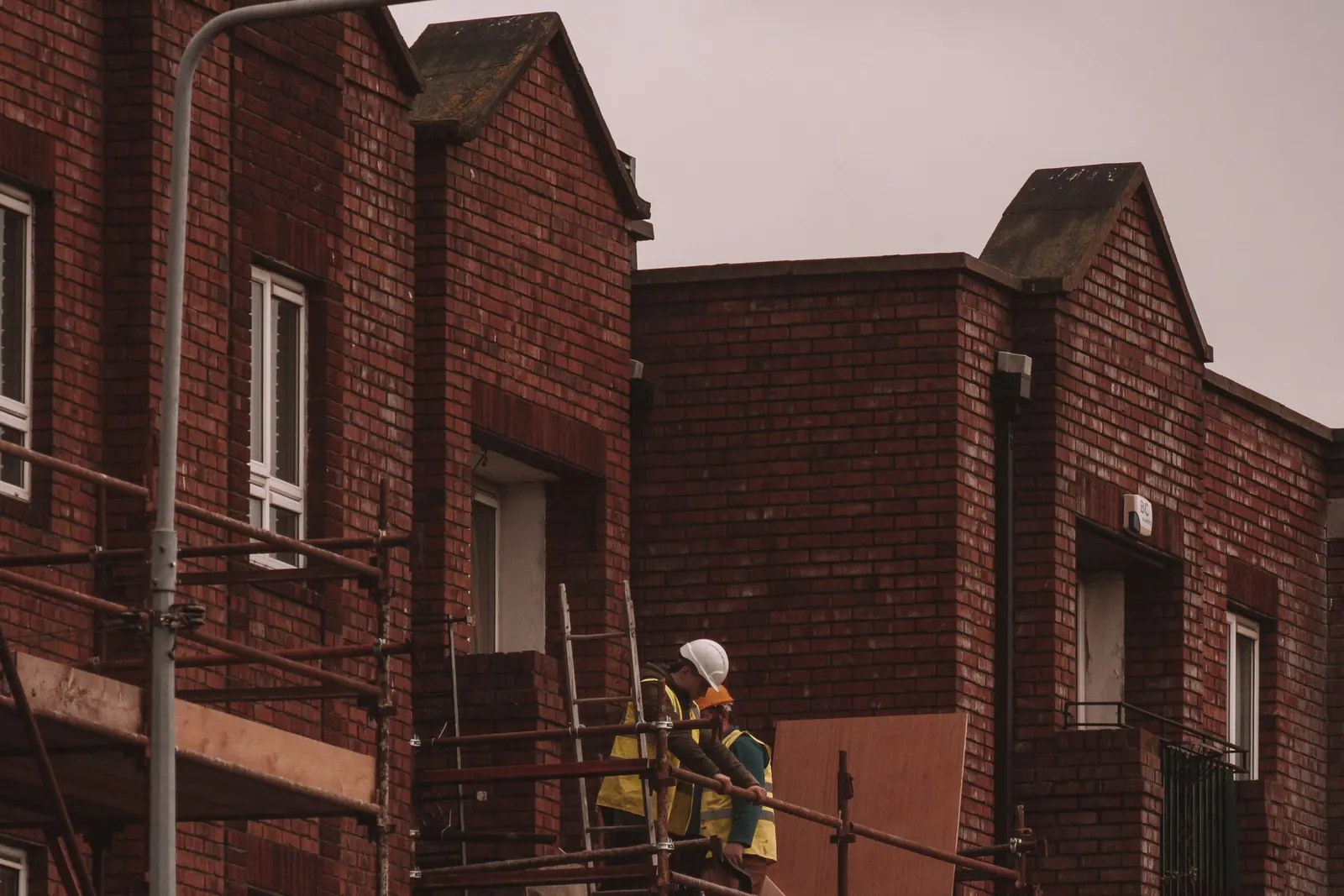
Scaffolders · CIS scope
Section 74(2) lists scaffolding by name among the operations integral to, preparatory to, or for rendering complete the construction works. So erecting, altering and striking scaffolding is a construction operation and is inside CIS.
The VAT position is where it gets interesting. On the construction of a new dwelling the zero rate can apply to construction services and the materials supplied with them — but separately hired plant and scaffolding is inside the builders' block of non-qualifying goods and stays standard rated regardless, in the same list as fitted furniture and carpets.
So on a new-build site your erection labour may be zero-rated while the hire of the scaffold itself is standard rated at 20%. If the invoice does not separate them, nobody can justify the treatment afterwards.
Zero-rated supplies are outside the domestic reverse charge; standard-rated ones are not. So on the same job the erection element may sit outside the reverse charge while the hire element sits inside it. Two answers, one site — which is the other reason the invoice has to show them separately.
Plant hire costs are among the items that come out of the payment subject to deduction. Where your invoice properly identifies a hire element, that element reduces the base. Where it says "scaffolding" and nothing else, it does not.
The deduction is charged on the payment less materials you directly incurred, consumable stores, fuel other than fuel for travelling, plant hire, the cost of manufacture or prefabrication, and the VAT you charged. Travel and subsistence stay in. And where the contractor buys the materials and recharges them, you have not directly incurred them, so no reduction is due at all.
If the deduction is costing you cash, gross payment status is the fix rather than a workaround — the turnover test is £30,000 of relevant payments net of VAT and materials for a sole trader, and the compliance test, which since 6 April 2024 includes VAT, is the part that needs preparing for.
It is the list of goods that do not take the same VAT rate as zero-rated or reduced- rated construction services even when supplied with them. Fitted furniture, carpets, and separately hired plant or scaffolding are all in it and remain standard rated. It is the reason a scaffolder on a zero-rated new build cannot simply zero-rate the whole invoice. Erection labour can follow the rate of the construction work; the hire of the equipment cannot. Fitted furniture and carpets sit in the same block, so it is a general rule about goods rather than a scaffolding rule.
Erecting, altering and dismantling scaffolding is expressly a construction operation. The hire of the equipment itself is a different supply, and for CIS purposes plant hire costs are among the items that come out of the deduction base — so where your invoice properly identifies a hire element, that element reduces the payment subject to deduction. So the same invoice can have an erection element inside the deduction base and a hire element outside it, which is only possible if the two are shown separately.
No. The reverse charge takes its scope from the CIS definition of construction operations but is not part of the CIS. It applies where a payment must be reported under the CIS regulations, not by reference to whether a deduction is actually made — so a subcontractor with gross payment status is still within the reverse charge on the same work. What gross payment status does change is your cash: on £180,000 of labour invoicing it is around £36,000 that stops being locked up with HMRC until after 5 April.
In almost every case. It lets the CIS deduction be charged on the right base, lets the VAT rate follow each element, and lets the reverse charge apply to the element it belongs to. A single line reading “scaffolding” across erection labour and equipment hire is a figure that has to be unpicked later, usually by somebody who was not there. It is also the single easiest thing to fix, because it costs nothing but a change to how the invoice is laid out.
We act for trade businesses everywhere in the UK and work with you remotely, so your postcode does not decide whether we can help. Your CIS and VAT position does not change when you cross a border either — but the building safety rules and the levy do, which is what the area pages cover.
Three months of statements or returns, and a straight account of what is wrong and what it is costing.