Solar, batteries and smart diverters are all qualifying energy-saving materials, and installing them is zero-rated — until 31 March 2027. After that it is 5%. Supply-only is standard rated either way.
Solar & renewables · CIS scope
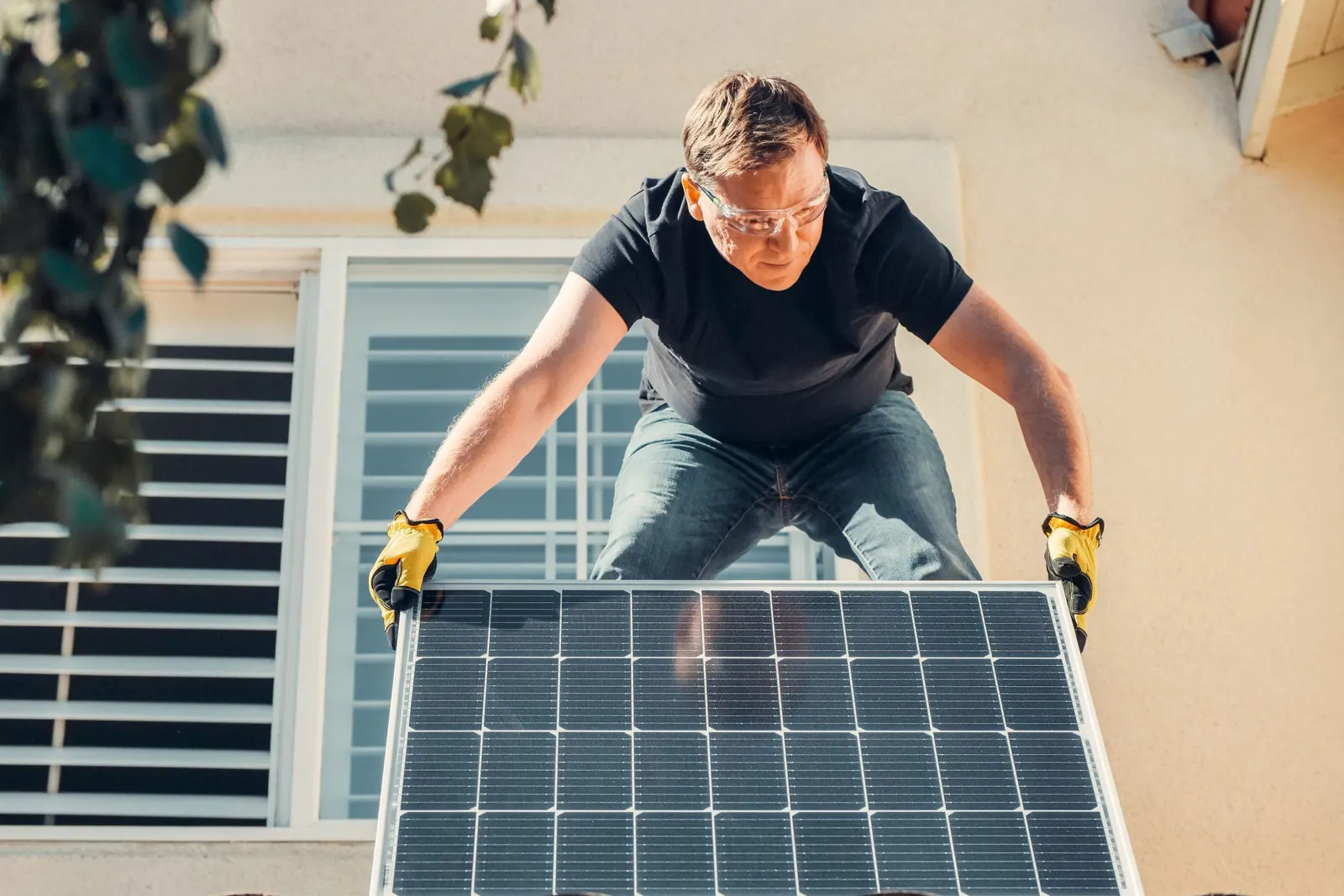
Installing energy-saving materials in residential accommodation has been zero-rated since 1 May 2023 and reverts to the 5% reduced rate from 1 April 2027. For a solar and renewables business that single date is the most commercially significant fact in the tax code, because it changes the price a domestic customer pays on identical work.
The qualifying list includes solar panels, wind turbines, water turbines, ground and air source heat pumps, micro combined heat and power units, wood-fuelled boilers, insulation, draught stripping and controls for central heating and hot water systems. Added on 1 February 2024: water source heat pumps, batteries for storing electricity, smart diverters, and groundworks for ground or water source heat pump pipework. From the same date the relief also covers buildings used solely for a relevant charitable purpose.
The relief applies only where the materials are installed. A supply-only sale of panels, an inverter or a battery is standard rated. So a business that both installs and sells kit has two rates running through the same product line.
Installing systems of power supply in a building or structure is a construction operation, so a roof-mounted solar installation is inside CIS. Onshore wind turbine tower construction is confirmed in scope by CIS 340. Because zero-rated supplies sit outside the domestic reverse charge, on qualifying domestic work the reverse charge question does not arise — but on standard-rated commercial work for a VAT and CIS registered contractor it does.
The deduction is charged on the payment less materials you directly incurred, consumable stores, fuel other than fuel for travelling, plant hire, the cost of manufacture or prefabrication, and the VAT you charged. Travel and subsistence stay in. And where the contractor buys the materials and recharges them, you have not directly incurred them, so no reduction is due at all.
If the deduction is costing you cash, gross payment status is the fix rather than a workaround — the turnover test is £30,000 of relevant payments net of VAT and materials for a sole trader, and the compliance test, which since 6 April 2024 includes VAT, is the part that needs preparing for.
Batteries for storing electricity were added to the qualifying list on 1 February 2024, and the relief applies to their installation in residential accommodation — so a retrofit install is within it until 31 March 2027, and 5% from 1 April 2027. Selling a battery without installing it is standard rated, because the relief attaches to installation rather than to the goods. Smart diverters and water source heat pumps were added on the same date, and the relief extended to buildings used solely for a relevant charitable purpose from then too.
It attracts the 5% reduced rate rather than zero. The rate follows the tax point, so a quote given now for an installation next spring is a different VAT position from the same job done before the date — and for a domestic customer who cannot recover VAT, that is a real difference in what they pay. On a £14,000 installation the five points is £700, and in a fixed-price contract with no VAT clause the installer absorbs it. Put the rate, the basis for it, and what happens if the tax point falls on or after 1 April 2027 into the written quote.
No. The energy-saving materials relief concerns residential accommodation and, since 1 February 2024, buildings used solely for a relevant charitable purpose. Commercial installations are generally standard rated — which also means they sit inside the domestic reverse charge where the payment is CIS-reportable and both parties are VAT and CIS registered with no end-user notification. So a commercial roof and a domestic roof in the same week can produce two entirely different invoices for the same work. The exception is a building used solely for a relevant charitable purpose, which has been inside the relief since 1 February 2024.
Possibly, and the important part is that it is not restricted to companies. From 1 January 2026 a 40% first-year allowance applies to main-rate plant and machinery for all businesses, including unincorporated ones. Second-hand assets, cars and overseas leasing are excluded. For most businesses the Annual Investment Allowance still absorbs the whole spend at 100% up to £1 million, so the 40% allowance matters mainly above that. Set against it, the main-rate writing-down allowance fell from 18% to 14% from April 2026, which slows relief on anything already sitting in your main pool.
We act for trade businesses everywhere in the UK and work with you remotely, so your postcode does not decide whether we can help. Your CIS and VAT position does not change when you cross a border either — but the building safety rules and the levy do, which is what the area pages cover.
Three months of statements or returns, and a straight account of what is wrong and what it is costing.